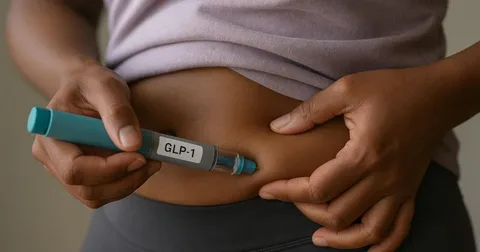
Medical weight management is a supervised program that uses clinical evaluation, lab testing, nutrition guidance, lifestyle support, supplements when appropriate, and prescription medication when medically indicated.
The goal is not simply to lower the number on the scale. The goal is to improve body composition, metabolic health, energy, confidence, and long-term quality of life.
The medical weight management plan includes:
Comprehensive health evaluation
Lab testing and metabolic assessment
Nutrition coaching
Physical activity and strength-supportive guidance
Targeted supplements
Prescription weight-loss medications when appropriate
Body weight and measurement monitoring with Inbody
Ongoing monitoring and plan adjustments
Who May Be Eligible For Medical Weight Management?
Medical weight management may be appropriate for patients who are overweight, have obesity, or are struggling with weight-related health concerns despite trying diet and lifestyle changes on their own.
Patients may seek care for concerns such as:
Difficulty losing weight
Weight regain after previous weight loss
Increased appetite or cravings
Emotional or stress-related eating
Insulin resistance or prediabetes
Type 2 diabetes
High blood pressure
High cholesterol
Fatty liver concerns
Joint pain related to excess weight
Low energy or poor stamina
Hormonal changes affecting weight
Desire for better body composition and long-term health
Eligibility depends on your medical history, medications, BMI, lab results, risk factors, and provider evaluation. Some prescription weight-loss medications, including certain GLP-1 medications, are approved for adults with elevated BMI.
Some patients may benefit from prescription medications as part of their medical weight management plan. These may include GLP-1 receptor agonists or other medications such as phentermine, that affect appetite, fullness, blood sugar regulation, or metabolic function.
GLP-1 medications mimic a hormone involved in blood sugar control and appetite regulation. They can help some patients feel full sooner, reduce food noise, improve portion control, and support weight loss when paired with nutrition and lifestyle changes. The FDA describes GLP-1 receptor agonists as medicines that mimic glucagon-like
peptide-1, a hormone that helps lower blood sugar after eating and acts in parts of the brain that control appetite and food intake.
Prescription weight-loss medications are not appropriate for everyone. They require medical screening, proper dosing, side-effect monitoring, and ongoing follow-up.
How Can Medical Weight Management Help Eligible Patients?
For eligible patients, medical weight management may help address the biological, behavioral, and lifestyle factors that make weight loss difficult.
A personalized program may help patients:
Lose weight safely and more effectively
Reduce appetite and cravings
Improve blood sugar control
Support healthier cholesterol and blood pressure
Improve energy and stamina
Build lean muscle while losing fat
Improve body composition
Reduce joint stress
Improve confidence and self-image
Develop sustainable eating and lifestyle habits
Reduce the risk of weight regain
The goal is not extreme restriction. The goal is a realistic, medically supervised plan that helps you achieve meaningful progress and maintain it.
The Role Of Exercise And Lifestyle
Movement is not just about burning calories. Exercise supports muscle, metabolism, insulin sensitivity, mood, sleep, strength, and long-term weight maintenance. Lifestyle changes work best when they are practical. Our goal is to help you create habits you can maintain, not overwhelm you with unrealistic expectations.
How Do Supplements Support Medical Weight Management?
Supplements may be helpful when they are used strategically. They do not replace nutrition, movement, or medical treatment, but they may help correct deficiencies and support metabolic health.
Depending on your labs and goals, supplements may support:
Nutrient deficiencies
Blood sugar balance
Energy production
Muscle preservation
Gut health
Inflammation balance
Sleep quality
Cravings or appetite support
Hydration and electrolyte balance
Common supportive nutrients may include vitamin D, magnesium, omega-3 fatty acids, fiber, protein support, probiotics, B vitamins, or other targeted supplements based on individual needs. Supplements should be personalized.
Our Process: How To Get Started
1. Comprehensive Consultation
Your journey begins with a detailed consultation. We review your weight history, health history, medications, previous weight-loss attempts, eating patterns, sleep, stress, activity level, symptoms, and goals.
2. Lab Testing and Metabolic Evaluation
Your provider may recommend lab testing to evaluate blood sugar, insulin resistance, cholesterol, thyroid function, hormones, inflammation, vitamin levels, liver and kidney function, and other markers that may affect weight and metabolism.
3. Personalized Treatment Plan
Based on your evaluation, we create a customized plan that may include nutrition guidance, lifestyle coaching, supplements, and prescription medication when appropriate.
4. Medication Support When Appropriate
If you are a candidate for medication-assisted weight loss, your provider will review your options, expected benefits, possible side effects, contraindications, dosing, and monitoring plan.
5. On-going Follow Up And Adjustments
Weight management requires consistent support. We monitor your progress, symptoms, medication response, side effects, labs, body composition, and goals. Your plan may be adjusted as your body changes.
How Medical Weight Management Can Positively Affect Your Life
Successful weight management can affect much more than appearance. For many patients, losing weight and improving metabolic health can create meaningful improvements in daily life.
Patients may experience:
More energy
Better mobility
Improved confidence
Reduced cravings and food noise
Better blood sugar control
Improved sleep
Greater motivation
Less joint discomfort
Improved strength and stamina
A healthier relationship with food
Better long-term health outlook
Our goal is to help you feel supported, educated, and empowered throughout the process. You do not have to figure it out alone.
Start Your Medical Weight Management Journey
If you have struggled with weight loss, regained weight, or feel frustrated by diets that do not last, medical weight management may offer the structure and support you need.
Springtide Medical provides a personalized, medically guided approach that combines lab testing, nutrition, lifestyle support, supplements, and prescription medication when appropriate.
Schedule your consultation today and take the first step toward healthier, more sustainable weight management.
Medical weight management, supplements, and prescription weight-loss medications are not appropriate for every patient. Treatment recommendations are based on individual symptoms, medical history, BMI, lab results, medications, risk factors, and provider evaluation. Prescription medications may cause side effects and require ongoing monitoring. Patients should not use unapproved or non-prescribed weight-loss medications. This information is for educational purposes only and does not replace medical advice, diagnosis, or treatment from a licensed healthcare provider.
Weight Loss Program Memberships
Weight Loss Program
$350 For initial consult and lab work.
$399/month (6 months minimum) that includes:
GLP1 medications (Supplements come at an extra cost).