
Medical Weight Loss
Metabolic Health & Weight Management
Medical Weight Loss
Addressing the hormonal and metabolic barriers that can make sustainable weight loss difficult—through personalized evaluation, evidence-informed treatment, and ongoing medical support.

Overview
Weight loss resistance is rarely just a matter of willpower. Metabolic and hormonal factors—including insulin resistance, thyroid dysfunction, cortisol imbalance, and sex hormone changes—can contribute to weight gain, increased appetite, low energy, and difficulty maintaining results.
At Springtide Medical, we look beyond the number on the scale to understand the underlying biology that may be affecting your progress. Your care is built around your health history, symptoms, laboratory findings, metabolic risk factors, and long-term goals.
Our Approach
We do not prescribe weight-loss medication as an isolated solution. GLP-1 therapies and other interventions, when clinically appropriate, are integrated into a comprehensive metabolic health strategy that may also include nutrition guidance, lifestyle support, body-composition monitoring, hormone evaluation, and regular provider follow-up.
The goal is to create a sustainable plan that addresses the factors contributing to weight resistance while giving you the structure, education, and accountability needed for meaningful long-term progress.
Common Questions
Do you prescribe semaglutide or tirzepatide?
When clinically appropriate, GLP-1 medications may be considered as one part of a broader medical weight-management plan. Medication selection depends on your medical history, current medications, lab results, risk factors, treatment goals, and provider evaluation.
Is medical weight loss covered by insurance?
What’s Included
- Comprehensive metabolic evaluation, including relevant glucose, insulin, thyroid, hormone, and cortisol markers when indicated
- GLP-1 therapy consideration when clinically appropriate
- Hormonal evaluation to identify factors that may affect metabolic function
- Body-composition assessment and progress monitoring
- Nutrition and lifestyle strategy integration
- Ongoing provider follow-up and treatment adjustments
Who This Is For
- Patients who have tried diet and exercise without sustainable results
- Individuals with insulin resistance or metabolic concerns
- Patients experiencing hormone-related weight changes
- Adults seeking GLP-1 therapy as part of a comprehensive plan
- Patients looking for structured, medically guided long-term support

Personalized Medical Evaluation
Understanding What May Be Driving Weight Resistance
Medical weight management may be appropriate for adults who are overweight, have obesity, or continue to struggle with weight-related concerns despite consistent lifestyle efforts.
- Difficulty losing weight
- Weight regain
- Increased appetite or cravings
- Insulin resistance or prediabetes
- Low energy or poor stamina
- Hormonal changes affecting weight
- Metabolic health concerns
- Body-composition goals
Eligibility for medication-assisted weight management depends on your medical history, BMI, laboratory results, current medications, risk factors, and provider evaluation.
Begin Your Care
Start With a Consultation Built Around Your Goals
Discuss your health history, current concerns, existing treatments, and wellness goals with a medical provider. Your consultation helps determine whether peptide therapy is appropriate and how it may fit into your personalized care plan.
Medication Support
GLP-1 Therapy as Part of a Complete Strategy
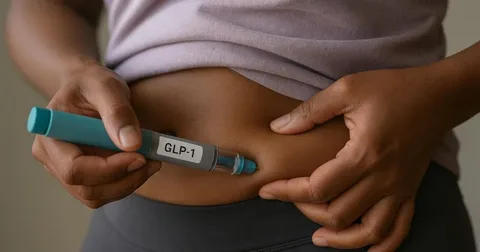
Some patients may benefit from prescription weight-management medication as part of their individualized plan. GLP-1 receptor agonists affect appetite regulation, fullness, blood-sugar control, and food intake, and may support weight loss when combined with appropriate nutrition, movement, and behavioral changes.
Medication is not appropriate for every patient and should not be treated as a stand-alone intervention. Proper screening, dosing, side-effect monitoring, follow-up, and long-term planning are essential parts of responsible medical weight management.
Our Process
How To Get Started
1. Comprehensive Consultation
Your journey begins with a detailed consultation. We review your weight history, health history, medications, previous weight-loss attempts, eating patterns, sleep, stress, activity level, symptoms, and goals.
2. Lab Testing and Metabolic Evaluation
Your provider may recommend lab testing to evaluate blood sugar, insulin resistance, cholesterol, thyroid function, hormones, inflammation, vitamin levels, liver and kidney function, and other markers that may affect weight and metabolism.
3. Personalized Treatment Plan
Based on your evaluation, we create a customized plan that may include nutrition guidance, lifestyle coaching, supplements, and prescription medication when appropriate.
4. Medication Support When Appropriate
If you are a candidate for medication-assisted weight loss, your provider will review your options, expected benefits, possible side effects, contraindications, dosing, and monitoring plan.
5. On-going Follow Up And Adjustments
Weight management requires consistent support. We monitor your progress, symptoms, medication response, side effects, labs, body composition, and goals. Your plan may be adjusted as your body changes.
Important: Medical weight management is not a quick fix. Sustainable progress typically requires consistent lifestyle changes, medical monitoring, and enough time to evaluate how your body responds to treatment.

Telehealth Throughout Florida
Ongoing Medical Weight Management, Wherever You Are in Florida
Eligible patients may receive consultations, coaching, progress reviews, medication monitoring, and follow-up support through telehealth across Florida. Certain laboratory testing, examinations, or other services may still require in-person care when clinically necessary.